
Top 10 Running Injuries and Treatments (Part 3)
Posted by Refisio Health on 30th Nov 2016
HAMSTRING STRAIN
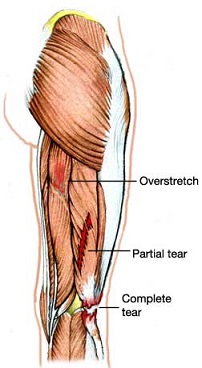
The hamstring muscles are located on the back of the upper leg, it attached from the lower part of the pelvis to just below the knee joint.
The function of hamstring muscles are to bend the knee and extend the hip. Hamstring strain happens when the muscle is forcibly over stretched and has torn the muscle tissue. A sudden movement or force being applied to the hamstring muscles could caused acute hamstring strains.
Usually hamstring strain can be classified as mild, moderate and severe strain.
Mild – overstretching and no tearing of muscle/ tendon. Experience muscle tightness and pain during stretch.
Moderate – Partial tear in the muscle, reduced in muscular strength and
flexibility. Hamstring muscles experience immediate and severe pain on
contraction and stretching. The injury site is sore to touch. May have
difficulty straightening the knee.
Severe - Complete rupture of the
hamstring muscle, may have a large lump of tissue above injury site. A bruise
will appear below the injury site. Experience sudden, sharp pain in the back of
the thigh.
Depends on severity of the strain, the immediate first 72 hours treatment is RICE (rest, ice, compress and elevation) . Rest the hamstring in an elevated position and treated the injury site with an ice pack/ wrap for 20 minutes every 2 hours.
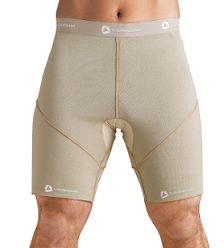
Thermoskin Groin Compression Shorts – designed to provide support and protection against hamstring rupture, it assists in the prevention and rehabilitation of the hamstring muscle strain.
Resistance Exercise Bands: Great for hamstring stretching exercises during rehabilitation and training. 5 different resistance levels offer different level of challenge to build hamstring muscle strength.
Trigger Point Massage Ball: A deep tissue massage ball that brings relief from pain caused by muscle tension in areas such as hamstring.
BLISTERS
 Blisters are caused by
prolonged friction which produces a shearing force that separates the skin
layers. As a result, blister that fills with clear fluid/ blood is created within the upper layers of the skin.
Blisters are caused by
prolonged friction which produces a shearing force that separates the skin
layers. As a result, blister that fills with clear fluid/ blood is created within the upper layers of the skin.
Some of the common ‘blister’
areas are the heels, toes and balls of feet
To relieve the pressure and pain, clean the blister thoroughly before lancing
it with sterile implement, then keep the area clean to prevent infection.
Wear properly fitted running footwear will help to avoid blisters.
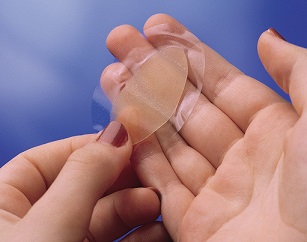
Spenco 2nd Skin (1 inch squares) - the 2nd Skin gel squares act as a protective barrier for the skin, they are cool on contact, sooth and protects against rubbing and blisters. And it won’t stick to the skin. Also available in Spenco 2nd Skin 3" Circles and Spenco 2nd Skin Blister Kit that contains various sizes of Spenco 2nd Skin.
Leukoform Orthopedic Support Foam – Ideal for padding boots to prevent blisters or further irritation of existing bruised or injured areas
SPRAINED ANKLE
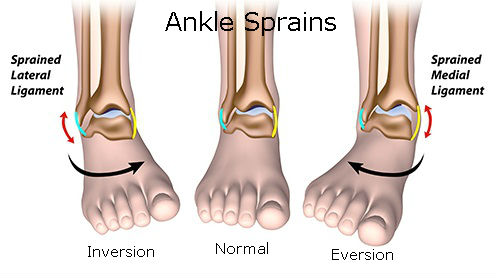
This happens when you have accidentally twisted your ankle
either inwards or outwards, it gets swollen and painful as you may have over
stretched and possibly torn the soft tissue and ligaments around your ankle. It
may cause bleeding within the tissue.
Sprained ankle can be classified by a mild, moderate or severe strain
Mild: ankle ligaments are overstretched but not torn. Mild pain and swelling on injury site, sufferer may experience limited joint stiffness and instability.
Moderate: ankle ligament is partial tear. Symptoms include swelling, bruising and moderate pain on injury site. Sufferer has difficulty of walking
Severe: the ligament has been completely torn. Symptoms include severe swelling and pain, instability of the joint and extreme loss of motion. Sufferer has significant pain while walking.
Resting and adopt PRICE protocol at the first 24 – 48
hours
Protection - avoid putting too much weight on the damaged ankle.
Rest – during the first 24 to 48 hours.
Ice – 20 minutes at a time during the first 48 hours.
Compression – wear a snug-fitting brace.
Elevate –
your ankle above the heart as much as possible.
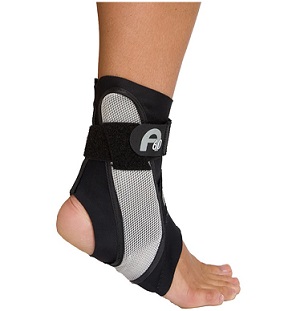
To avoid putting too much weight on the damaged ankle. walking should be avoided at the initial stage.
Aircast A60 Ankle Brace: helps to support and protect the ankle from sprains during sport.
Procare XcelTrax Air Ankle Walker : enables patient to walk around while experiencing badly injured sprained ankle.
Wobble Board 45cm : helps to improve balance and core strength of ankle during rehabilitation.
Click here for Part 1 & Part 2 of Common Running Injuries & Treatments.
The information above is general in nature and is only intended to provide a summary of the subject matter covered. It is not a substitute for medical advice and you should always consult a trained professional practising in the area of sports medicine in relation to any injury. You use or rely on the information above at your own risk and no party involved in the production of this resource accepts any responsibility for the information contained within it or your use of that information.